If you are looking for a fuel-efficient, affordable and practical car in Kenya, Suzuki has some of the best options available.
From the tiny 660cc Suzuki Alto and spacious Wagon R to the 1.0-litre Celerio and Alto K10, Suzuki offers several small-engine cars designed to keep fuel and ownership costs low.
This makes Suzuki cars under 1000cc in Kenya particularly attractive to daily commuters, first-time car buyers, small families and business owners.
But which Suzuki should you buy?
The answer depends on more than engine size.
A Suzuki Alto 660cc may be ideal for someone commuting around Nairobi every day, while the Suzuki Every is better suited to deliveries and small businesses. A buyer who frequently drives outside Nairobi may prefer the stronger 998cc engine in the Alto K10 or Celerio.
In this guide, we compare the most popular Suzuki cars with engines of 1000cc and below, including their fuel consumption, performance, practicality, prices and suitability for Kenyan roads.
Actual fuel consumption will depend on traffic, driving style, vehicle condition, transmission, passenger load and use of air conditioning.
Why Are Suzuki Cars Popular in Kenya?
Suzuki has become increasingly attractive to Kenyan motorists because the brand focuses heavily on small, lightweight and economical vehicles.
For someone commuting every day, fuel can become one of the largest costs of car ownership. Moving from a larger-engine vehicle to an efficient 660cc or 1000cc car can significantly reduce monthly fuel expenditure.
But fuel economy is only part of the appeal.
Low Fuel Consumption
Most small Suzukis are designed around efficiency.
A well-maintained Suzuki Alto, Wagon R, Celerio or similar model can be considerably cheaper to fuel than a larger sedan, crossover or SUV.
This is particularly valuable for drivers covering long daily distances around Nairobi and its surrounding areas.
Easy to Drive in Traffic
Small Suzuki cars are excellent city vehicles.
Their compact dimensions make them easier to:
Navigate through traffic
Park in tight spaces
Manoeuvre around estates
Drive on narrow roads
Make U-turns and tight turns
For Nairobi driving, this can make everyday ownership considerably easier.
Affordable Running Costs
Small engines generally require less engine oil, smaller tyres and relatively inexpensive service components.
Maintenance costs will ultimately depend on the model and condition, but small Suzukis are generally designed as economical vehicles rather than luxury cars.
Good Choice for First-Time Car Owners
If you are buying your first car, a small Suzuki can be easier to manage financially.
Fuel, maintenance and routine servicing tend to be more predictable than with many larger vehicles.
Best Suzuki 660cc Cars in Kenya
Japanese 660cc cars are increasingly common in Kenya.
These vehicles belong to Japan’s kei-car category, where manufacturers build extremely compact cars around strict engine and vehicle-size regulations.
Suzuki is one of the biggest manufacturers in this category.
Popular Suzuki 660cc cars include:
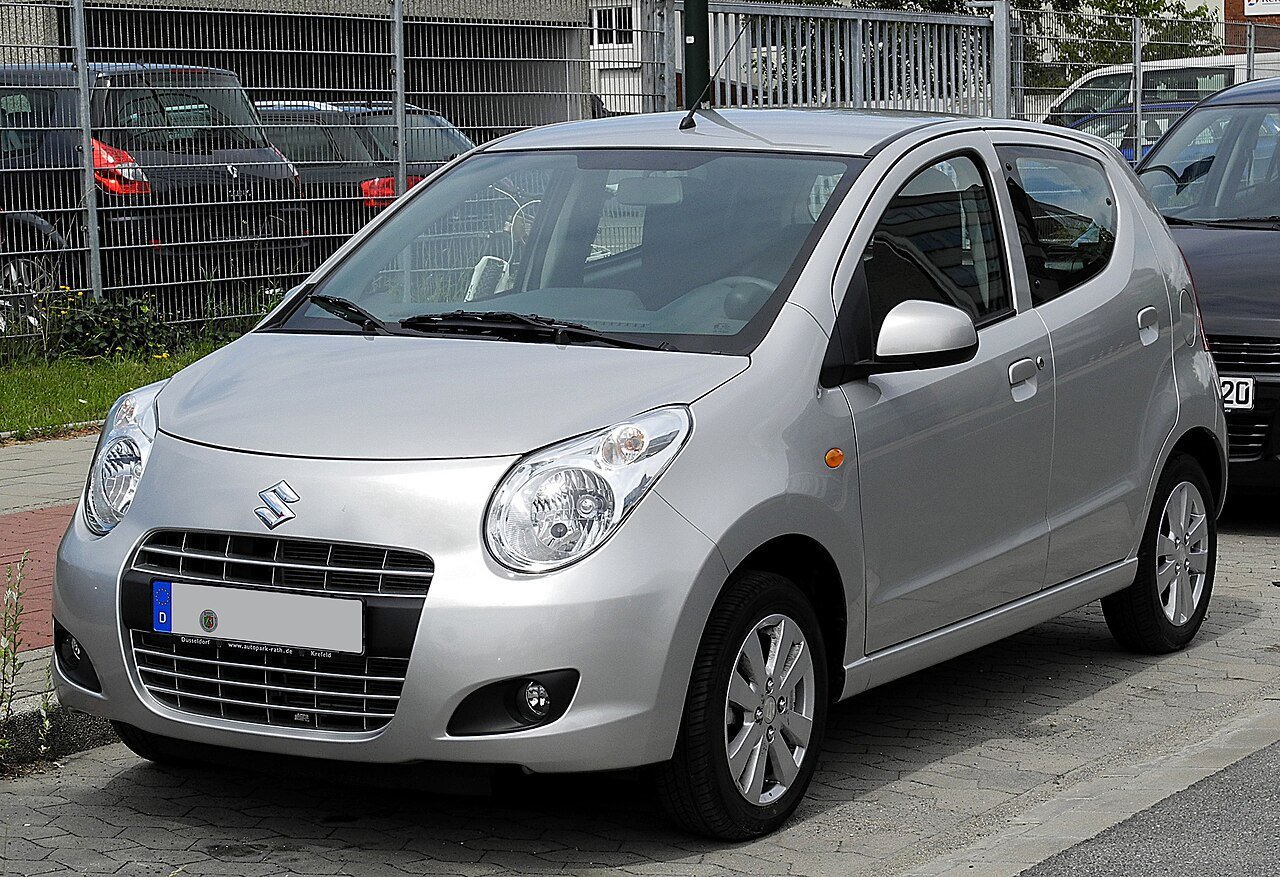
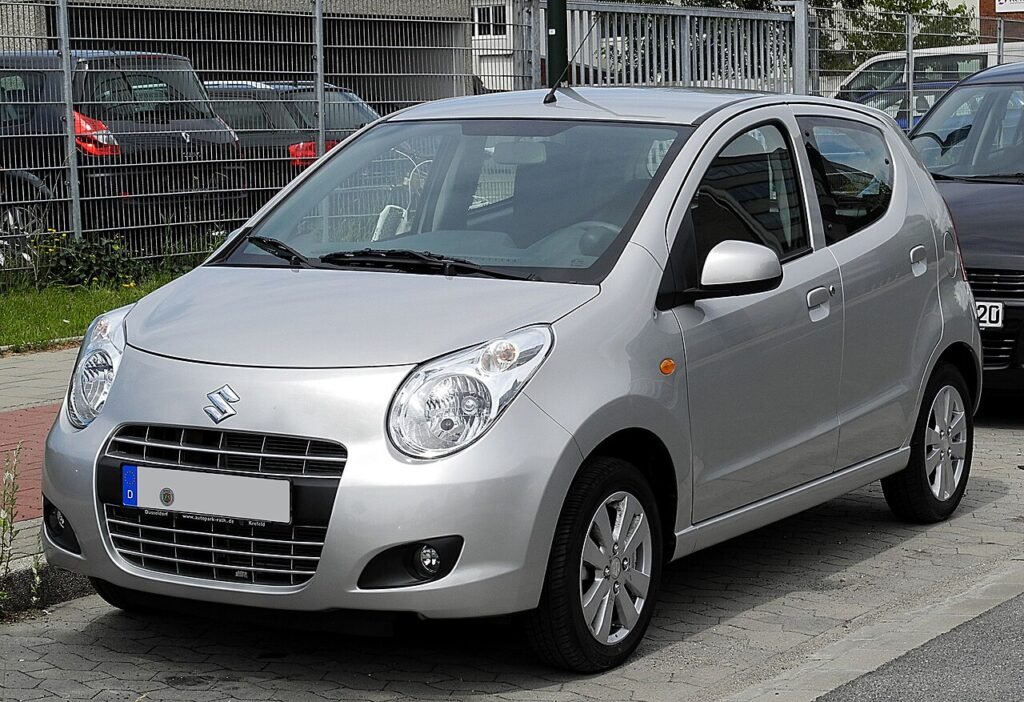
Suzuki Alto
Suzuki Wagon R
Suzuki Hustler
Suzuki Every
Let us look at each one individually.
1. Suzuki Alto 660cc — Best for Fuel Economy
The Suzuki Alto 660cc is one of the most attractive options for Kenyan buyers whose biggest priority is reducing fuel costs.
Japanese-market Alto models typically use a 658cc engine, commonly rounded to 660cc.
Because the Alto is extremely light, the small engine does not have to move much weight. This contributes to its excellent fuel economy.
Depending on the generation and specification, some versions also include mild-hybrid technology.
Suzuki Alto 660cc Fuel Consumption
Manufacturer figures for some modern Alto variants can exceed 25 km per litre under controlled test conditions.
Real-world Kenyan fuel consumption will normally be lower, particularly in heavy Nairobi traffic.
However, the Alto remains one of the most economical Suzuki cars available.
Advantages of the Suzuki Alto 660cc
Excellent fuel economy
Easy to park
Affordable running costs
Compact exterior
Good city commuter
Suitable for first-time car owners
Suzuki Alto 660cc Disadvantages
The main weakness is power.
A naturally aspirated 660cc engine does not provide the performance of a 1.3L or 1.5L engine.
You may particularly notice this when:
Carrying several passengers
Driving uphill
Joining a fast highway
Overtaking
Carrying luggage
That does not mean the Alto cannot travel long distances.
It simply means the driver must understand the limitations of a small engine.
Who Should Buy the Suzuki Alto?
The Alto 660cc is best for someone looking for:
Maximum fuel economy and an inexpensive daily commuter.
For someone driving between home and work around Nairobi every day, it is one of the strongest options in this category.
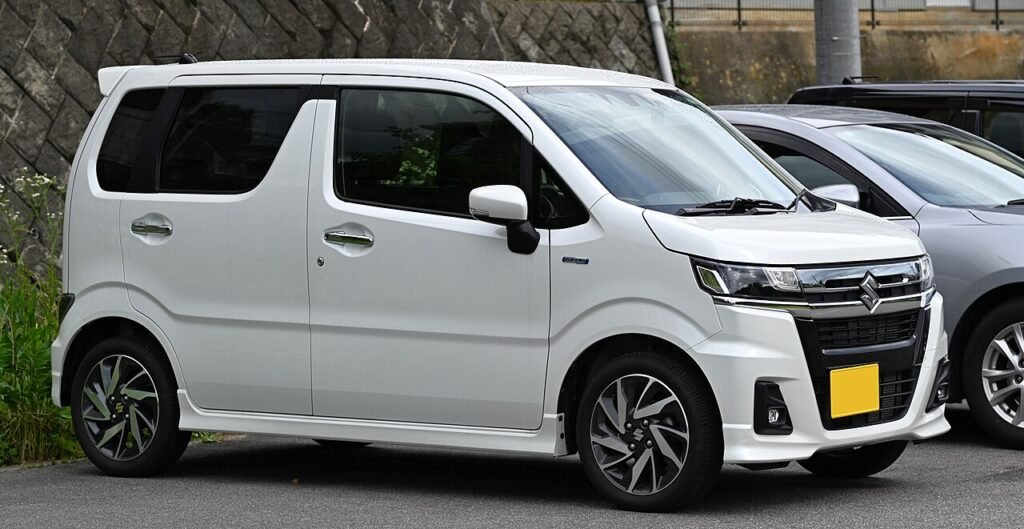
2. Suzuki Wagon R 660cc — Best for Interior Space
The Suzuki Wagon R shows how much interior room can be created from a small vehicle.
Instead of making the car significantly longer, Suzuki gives the Wagon R a tall, box-shaped body.
This provides impressive:
Headroom
Rear passenger space
Visibility
Cabin practicality
while keeping the exterior dimensions relatively compact.
Suzuki Wagon R Fuel Consumption
Like the Alto, the Wagon R is designed around efficiency.
Depending on model year, drivetrain and specification, fuel economy can exceed 20 km/L under favourable conditions.
Actual Kenyan consumption will vary.
Suzuki Wagon R vs Suzuki Alto
The biggest difference is space.
Choose the Alto if you want maximum compactness and fuel economy.
Choose the Wagon R if you frequently carry passengers and want more cabin space without moving to a significantly larger engine.
Suzuki Wagon R Advantages
Spacious cabin
Excellent headroom
Easy entry and exit
Small exterior dimensions
Good fuel economy
Practical city car
Suzuki Wagon R Disadvantages
Despite its spacious interior, it is still powered by a 660cc engine.
Do not mistake the tall body for the performance of a larger hatchback.
With several passengers and luggage, acceleration can become noticeably slower.
Who Should Buy the Wagon R?
The Wagon R is ideal for someone who wants:
660cc fuel economy but needs more passenger space than the Suzuki Alto offers.
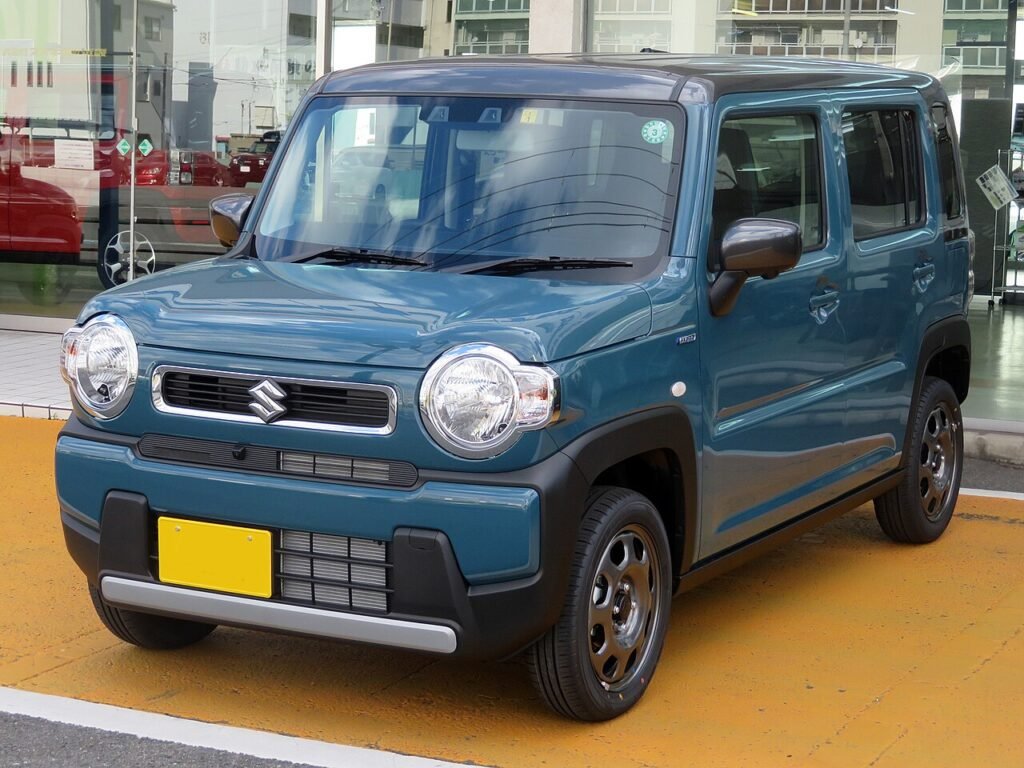
3. Suzuki Hustler 660cc — Best for Style and Practicality
The Suzuki Hustler is one of the most distinctive Suzuki 660cc cars in Kenya.
It combines the dimensions of a kei car with crossover-inspired styling.
The result is a small car that looks more adventurous than the typical economy hatchback.
Suzuki Hustler Engine
The Hustler normally uses a 660cc engine and is available in different configurations depending on generation.
Some Japanese models are available with:
Naturally aspirated engines
Turbocharged engines
Mild-hybrid technology
Two-wheel drive
Four-wheel drive
This makes the Hustler considerably more varied than it initially appears.
Suzuki Hustler Fuel Consumption
Naturally aspirated models generally prioritize maximum fuel efficiency.
Turbo variants sacrifice some fuel economy in exchange for stronger acceleration.
For Kenyan motorists who frequently drive uphill or carry passengers, a turbo Hustler may therefore be worth considering.
Suzuki Hustler Advantages
Distinctive design
Excellent fuel economy
Upright seating
Good interior packaging
Higher crossover-style body
Turbo variants available
Suzuki Hustler Disadvantages
The Hustler looks somewhat like a small SUV, but it should not be confused with a conventional off-road vehicle.
It remains a small kei car.
The styling may also make clean units more expensive than equivalent Alto models.
Who Should Buy the Suzuki Hustler?
The Hustler is an excellent option for drivers who want:
fuel economy without driving a conventional-looking economy hatchback.
4. Suzuki Every 660cc — Best Suzuki for Business
The Suzuki Every serves a completely different purpose from the Alto, Wagon R and Hustler.
It is primarily a compact van.
The extremely boxy design creates substantial cargo space despite the vehicle’s small footprint.
That makes the Suzuki Every particularly interesting for Kenyan small businesses.
Businesses That Can Use the Suzuki Every
The Every can work well for:
Online shops
Pharmacies
Bakeries
Florists
Small distributors
Courier services
Spare-parts businesses
Catering businesses
Technicians
Mobile service businesses
Sliding doors also make loading and unloading easier in tight spaces.
Suzuki Every Fuel Consumption
The Every uses a 660cc engine, but it does not necessarily consume as little fuel as the Alto.
Why?
Because engine capacity is only one part of fuel economy.
Vehicle weight, aerodynamics, gearing and load also matter.
A box-shaped van carrying stock will naturally require more energy than a lightweight Alto carrying one person.
Suzuki Every Advantages
Large cargo area
Sliding doors
Compact dimensions
Affordable fuel consumption
Excellent for deliveries
Good small-business vehicle
Suzuki Every Disadvantages
Less refined than a passenger hatchback
Fuel economy depends heavily on load
Limited highway performance when heavily loaded
More commercial than luxurious
Who Should Buy the Suzuki Every?
If your car needs to generate income, the Suzuki Every is one of the most interesting 660cc options in Kenya.
5. Suzuki Alto 800 — Best Budget Suzuki
The Suzuki Alto 800 should not be confused with the Japanese 660cc Suzuki Alto.
The Alto 800 was developed primarily by Maruti Suzuki and uses an engine of approximately 796cc.
It is designed as a simple and affordable entry-level vehicle.
Why Buy an Alto 800?
Its biggest advantage is mechanical simplicity.
Compared with some modern Japanese imports, the Alto 800 typically offers fewer complicated systems and fewer luxury features.
For some buyers, that is exactly the attraction.
Suzuki Alto 800 Advantages
Affordable
Simple engine
Low running costs
Good fuel economy
Easy to drive
Good entry-level car
Suzuki Alto 800 Disadvantages
Basic interior
Limited performance
Older models may lack modern safety and comfort features
Less refined than newer Alto generations
Who Should Buy It?
The Alto 800 makes the most sense for someone looking for a simple, affordable locally used car rather than the latest technology.
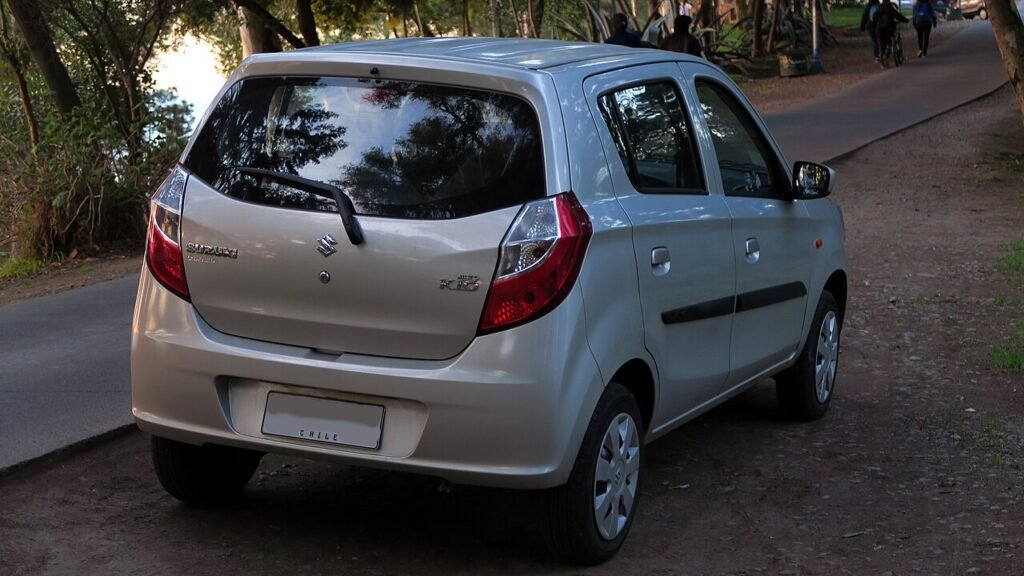
6. Suzuki Alto K10 — Best Alto for More Power
If you like the Alto but are concerned about buying a 660cc car, the Suzuki Alto K10 provides an excellent middle ground.
The Alto K10 uses a 998cc three-cylinder petrol engine.
This gives it more power than the Japanese 660cc Alto while maintaining the lightweight design that makes the Alto economical.
Suzuki Alto K10 Fuel Consumption
The K10 can still deliver excellent fuel economy.
Depending on the transmission and generation, official manufacturer figures can approach 25 km/L under test conditions.
Real-world figures will depend on how and where the car is driven.
Alto K10 vs Alto 660cc
Choose the 660cc Alto if your priority is maximum fuel efficiency.
Choose the Alto K10 if you want:
Better acceleration
Easier highway driving
Better performance with passengers
More confidence when overtaking
while still keeping fuel costs low.
Suzuki Alto K10 Price in Kenya
Prices vary according to whether the vehicle is:
Brand new
Freshly imported
Locally used
Manual
Automatic
Different model years
Newer Alto K10 models in Kenya can cost well above KSh 1 million, while older locally used versions may be available for significantly less.
Always compare the exact year and specification rather than shopping based on the model name alone.
Who Should Buy the Alto K10?
The Alto K10 is ideal for buyers who want:
the economy and simplicity of an Alto with slightly more usable power.
7. Suzuki Celerio 1000cc — Best All-Rounder
For many Kenyan motorists, the Suzuki Celerio could be the best overall choice in this entire comparison.
The Celerio uses an engine of approximately 998cc, but offers significantly more interior and luggage space than the smallest Alto models.
This makes it particularly useful for small families.
Suzuki Celerio Fuel Consumption
Fuel efficiency remains one of the Celerio’s strongest selling points.
Official manufacturer figures for some variants can exceed 20 km/L, with certain specifications approaching the mid-20s under controlled test conditions.
Why the Celerio Works Well in Kenya
It offers a good balance between:
Fuel economy
Interior space
Boot capacity
Engine power
Ground clearance
City manoeuvrability
This makes it easier to use as the only car in a household compared with some 660cc alternatives.
Suzuki Celerio Advantages
Spacious cabin
Practical boot
Efficient 1.0L engine
Good visibility
Easy city driving
Better highway performance than many 660cc cars
Suzuki Celerio Disadvantages
More expensive than some used 660cc imports
Still designed primarily as an economy car
Not as powerful as larger 1.3L or 1.5L hatchbacks
Suzuki Celerio Price in Kenya
Pricing depends significantly on year, specification and whether you are buying new or used.
Newer Celerio models typically sit above the very cheapest Suzuki offerings but remain positioned as affordable economy cars.
Who Should Buy the Celerio?
The Suzuki Celerio is an excellent choice for:
small families, first-time buyers and commuters looking for the best balance between fuel economy, space and performance.
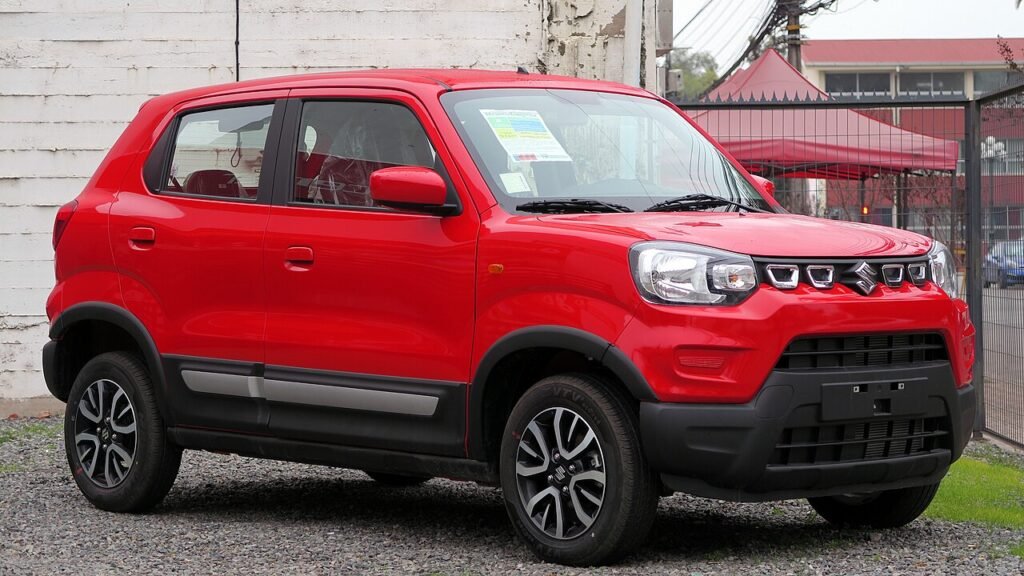
8. Suzuki S-Presso 1000cc — Best for a Higher Driving Position
The Suzuki S-Presso takes the economy-car formula and adds SUV-inspired styling.
It uses a roughly 998cc engine but has a taller body than a conventional Alto.
This creates a more upright seating position that some drivers prefer.
Why the S-Presso Appeals to Kenyan Drivers
Kenyan roads vary enormously.
You may drive on good highways one minute and encounter:
Large speed bumps
Rough estate roads
Potholes
Steep parking entrances
the next.
A taller compact car can therefore be attractive.
The S-Presso should not be confused with a true SUV, but its proportions can make everyday driving more practical than extremely low hatchbacks.
Suzuki S-Presso Advantages
Economical 1.0L engine
Higher seating position
Compact dimensions
SUV-inspired styling
Easy to park
Good urban vehicle
Suzuki S-Presso Disadvantages
Not a real off-road SUV
Narrow body
Basic interior on some versions
Availability may vary in Kenya
Who Should Buy the Suzuki S-Presso?
The S-Presso suits someone looking for:
a fuel-efficient city car with a taller body and higher driving position.
660cc vs 800cc vs 1000cc: Which Is Best in Kenya?
Choosing the right engine depends primarily on how you drive.
Factor
660cc
800cc
1000cc
Fuel Economy
Excellent
Excellent
Very Good
Nairobi Driving
Excellent
Excellent
Excellent
Highway Performance
Fair
Fair
Good
Overtaking Power
Limited
Moderate
Better
Passenger Loads
Fair
Fair
Better
Running Costs
Very Low
Low
Low
Long-Distance Driving
Fair
Fair
Good
Best Use
City commute
Budget transport
Mixed driving
Choose 660cc If:
Most driving is within town
Fuel economy is your biggest priority
You normally travel alone or with one passenger
You want the lowest possible running costs
Choose Around 800cc If:
Your budget is limited
You want simple mechanical ownership
You mostly drive around town
Choose 1000cc If:
This will be your only car
You travel outside Nairobi frequently
You regularly carry passengers
You want better overtaking performance
You want economy without sacrificing too much power
For many motorists, 1000cc offers the best compromise between performance and fuel economy.
Suzuki Cars Under 1000cc Prices in Kenya
Vehicle prices in Kenya change constantly.
Factors affecting the price include:
Model year
Mileage
Auction grade
Accident history
Specification
Transmission
Hybrid system
Exchange rates
Import duty
Shipping costs
Dealer margins
Whether the vehicle is locally used or freshly imported
As a general rule, locally used 660cc Suzukis may start below the price of a fresh import, while newer and cleaner Japanese imports can exceed KSh 1 million.
Brand-new 1.0-litre models such as the Alto K10 and Celerio will generally cost considerably more than older locally used vehicles.
When comparing prices, avoid looking only at the cheapest advertisement.
A KSh 700,000 Alto with hidden mechanical problems can ultimately cost more than buying a clean KSh 850,000 example.
Condition matters.
Fresh Import vs Locally Used Suzuki: Which Is Better?
Both options have advantages.
Buying a Fresh Import
A fresh Japanese import may provide:
Better access to vehicle history
Auction documentation
More vehicle choices
Potentially lower mileage
Cleaner interior and exterior condition
However, importing introduces additional costs.
The Japanese vehicle price is only part of the final cost.
You must also consider:
Shipping
Import taxes
Port charges
Clearing fees
Registration
Inspection
Other associated charges
Buying a Locally Used Suzuki
A locally used vehicle has one major advantage:
you can inspect and test-drive the exact car before buying it.
It may also be cheaper.
However, you need to investigate its Kenyan history carefully.
Ask:
Has it been used for ride-hailing?
Has it been involved in an accident?
Has the engine overheated?
Has the gearbox been serviced?
Is the mileage genuine?
Has the suspension been modified?
Does the vehicle have a complete ownership history?
A fresh registration plate does not automatically mean a better car.
Kenya’s Eight-Year Vehicle Import Rule
Kenya applies an age limit to used vehicle imports.
Before buying a vehicle overseas, confirm that its year of first registration meets Kenya’s current import requirements.
For vehicles being imported during 2026, buyers should pay particular attention to the first-registration year rather than relying only on how a seller describes the vehicle’s model year.
Import requirements can change, so always confirm the latest rules with KEBS, KRA or your licensed clearing agent before paying for a vehicle overseas.
What to Check Before Buying a Suzuki in Kenya
Buying the right model is only half the job.
The condition of the actual vehicle matters even more.
1. Confirm the Exact Engine
Do not simply ask for a “Suzuki Alto.”
There are several substantially different Altos.
You could be looking at:
Alto 660cc
Alto 800
Alto K10 1000cc
Turbo variants
Hybrid variants
Request the chassis number and verify the exact specification.
2. Verify the Japanese Auction Sheet
If the vehicle is a Japanese import, ask for the auction sheet.
It can provide useful information on:
Mileage
Auction grade
Accident repairs
Scratches
Dents
Interior condition
Whenever possible, independently verify the auction record.
3. Test the Transmission
Depending on the model, Suzuki uses several transmission types.
These may include:
Manual
CVT
Conventional automatic
Automated manual transmission
During a test drive, look for:
Jerking
Delayed engagement
Unusual noises
Warning lights
Slipping
Hesitation
Transmission repairs can quickly eliminate the savings you expected from buying an economical car.
4. Inspect the Cooling System
Small engines can work hard in Kenyan conditions.
Check:
Coolant level
Radiator
Cooling fan
Hoses
Water pump
Signs of previous overheating
Do not buy a car showing evidence of serious overheating without understanding exactly what happened.
5. Check Ground Clearance
Some Japanese cars were designed primarily for smooth urban roads.
Before installing spacers, determine whether you actually need them.
Consider:
Your home entrance
Estate roads
Speed bumps
Roads you travel frequently
Poorly installed suspension modifications can negatively affect ride quality and handling.
6. Conduct a Pre-Purchase Inspection
Always consider having the vehicle inspected by an independent mechanic.
The inspection should cover:
Engine
Transmission
Suspension
Steering
Brakes
Tyres
Cooling system
Electrical systems
Chassis condition
Accident repairs
Spending a small amount on an inspection can prevent a very expensive mistake.
Which Suzuki Under 1000cc Is Best in Kenya?
Here is the simplest way to choose.
What You Need
Best Suzuki
Best fuel economy
Suzuki Alto 660cc
Best 660cc car for space
Suzuki Wagon R
Best-looking 660cc option
Suzuki Hustler
Best Suzuki for business
Suzuki Every
Best budget option
Suzuki Alto 800
Best small Suzuki with more power
Suzuki Alto K10
Best all-rounder
Suzuki Celerio
Best higher-driving-position option
Suzuki S-Presso
Best for Fuel Economy: Suzuki Alto 660cc
If your main objective is spending as little as possible at the petrol station, start with the Alto.
Best for Space: Suzuki Wagon R
If you want 660cc efficiency but regularly carry passengers, the Wagon R makes more sense.
Best for Business: Suzuki Every
For deliveries and commercial use, the Every is difficult to beat.
Best for Style: Suzuki Hustler
If you want something more distinctive than an ordinary hatchback, consider the Hustler.
Best for Mixed City and Highway Driving: Alto K10
The 998cc engine gives you additional flexibility without dramatically increasing running costs.
Best Overall Suzuki Under 1000cc: Celerio
For a buyer who wants one economical vehicle capable of handling commuting, family use and occasional longer journeys, the Celerio offers one of the best overall packages.
Frequently Asked Questions About Suzuki Cars Under 1000cc in Kenya
Which Suzuki has the best fuel economy in Kenya?
The Suzuki Alto 660cc is one of the strongest options if maximum fuel economy is your priority.
Some modern Japanese Alto variants achieve manufacturer test figures above 25 km/L, although actual Kenyan fuel consumption will depend on traffic, driving style and vehicle condition.
Is a 660cc car good for Kenyan roads?
Yes.
A 660cc car can handle normal Kenyan city driving without difficulty when properly maintained.
The main limitation is performance rather than capability.
A fully loaded 660cc vehicle will accelerate more slowly than a larger-engined car.
Can a 660cc Suzuki drive from Nairobi to Mombasa?
Yes.
A properly maintained 660cc Suzuki can cover long-distance journeys.
However, overtaking and acceleration require more planning, particularly with passengers and luggage.
Before a long journey, ensure the tyres, brakes, cooling system and engine are in good condition.
Is Suzuki Alto good for a first-time car owner?
Yes.
Its small size, excellent fuel economy and relatively low running costs make the Suzuki Alto a strong first-car option.
The important thing is identifying which Alto version suits your needs.
Suzuki Alto or Wagon R: which is better?
Buy the Alto if you prioritize fuel economy and compact dimensions.
Buy the Wagon R if passenger space and headroom are more important.
Suzuki Alto or Celerio: which is better?
The Alto is better for maximum economy.
The Celerio is better for buyers who want more passenger space, luggage capacity and stronger all-round usability.
Suzuki Hustler or Wagon R: which is better?
Both can use 660cc engines.
Choose the Wagon R for maximum cabin practicality.
Choose the Hustler if styling, crossover character and a more adventurous design are important to you.
Is the Suzuki Every good for business?
Yes.
Its cargo area, sliding doors and compact exterior make it particularly suitable for urban deliveries and small businesses.
Are Suzuki spare parts expensive in Kenya?
Availability and cost depend on the exact model.
Common service parts for popular Suzuki models are generally easier to source than specialised components for less common trims.
Before buying an unusual Japanese specification, confirm that important mechanical and suspension parts are available locally.
Which Suzuki is best for a first-time buyer in Kenya?
The Alto, Wagon R and Celerio are all strong options.
Choose the Alto for maximum economy, the Wagon R for more space, or the Celerio if you want a more versatile all-round car.
Final Verdict: Which Suzuki Should You Buy?
There is no single best Suzuki under 1000cc for every Kenyan driver.
The best vehicle depends on how you intend to use it.
Choose the Suzuki Alto 660cc if maximum fuel economy is your priority.
Choose the Suzuki Wagon R if you want 660cc efficiency with more interior space.
Choose the Suzuki Hustler if you want economy combined with distinctive crossover styling.
Choose the Suzuki Every if you need a compact vehicle for deliveries or business.
Choose the Alto K10 if you like the Alto but want more power.
Choose the Suzuki Celerio if you want the best balance of space, fuel economy and everyday usability.
And consider the Suzuki S-Presso if you prefer a taller driving position.
For motorists who spend most of their time driving around Nairobi, a 660cc Suzuki can offer extremely low running costs.
However, if this will be your only household car and you regularly travel outside the city, a 998cc Alto K10 or Celerio may be the better long-term choice.
Whatever model you choose, never buy based purely on fuel consumption or price.
Check the vehicle’s history, verify its exact specification and have it inspected mechanically before transferring your money.
A good small car can save you thousands of shillings in running costs—but buying the wrong example can quickly eliminate those savings.
Which Suzuki would you choose for Kenyan roads: the Alto, Wagon R, Hustler, Every, Celerio or S-Presso?
Welcome to Bacchus Motors. We are one of the leading car dealerships in Kenya.
We offer a wide range of cars from different manufacturers like BMW, Audi, Toyota and many more.
Come visit us for the most affordable prices!