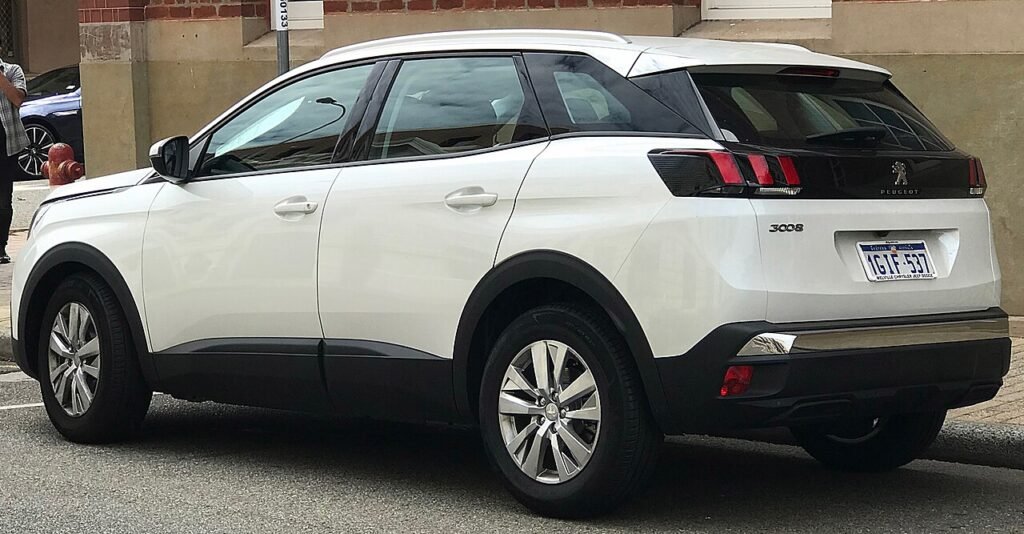
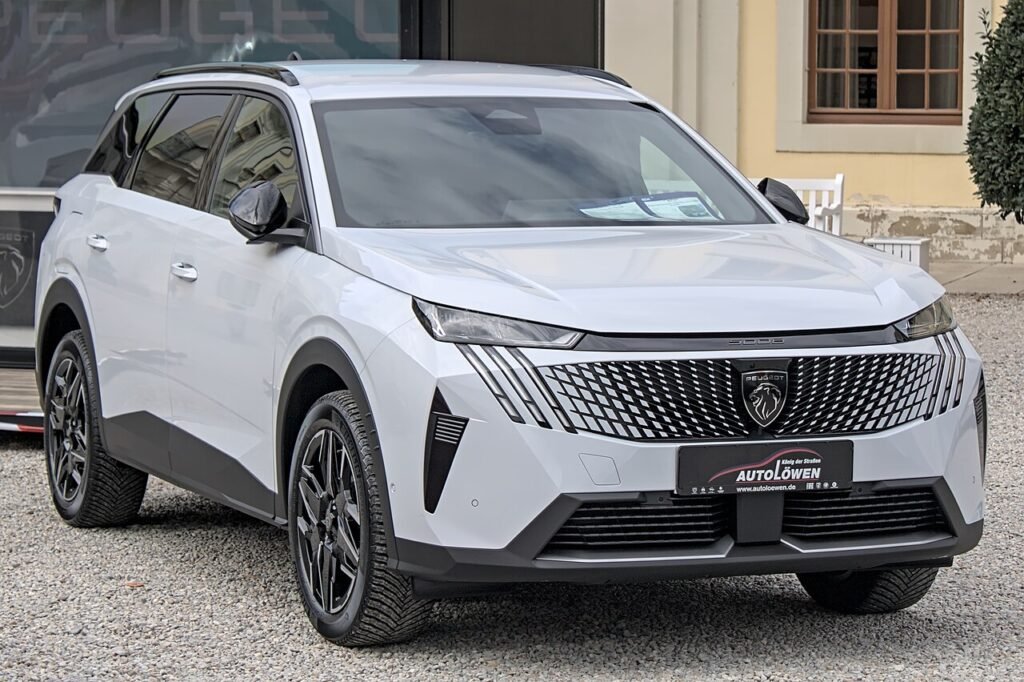
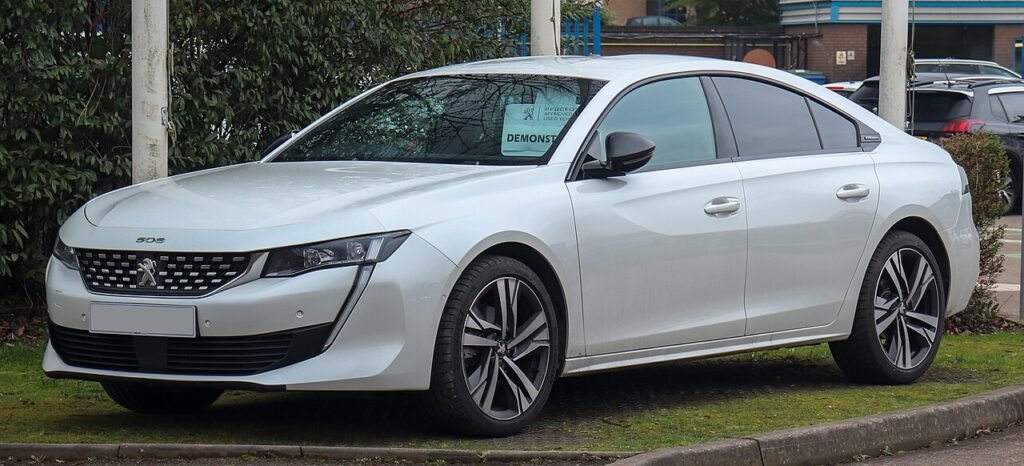
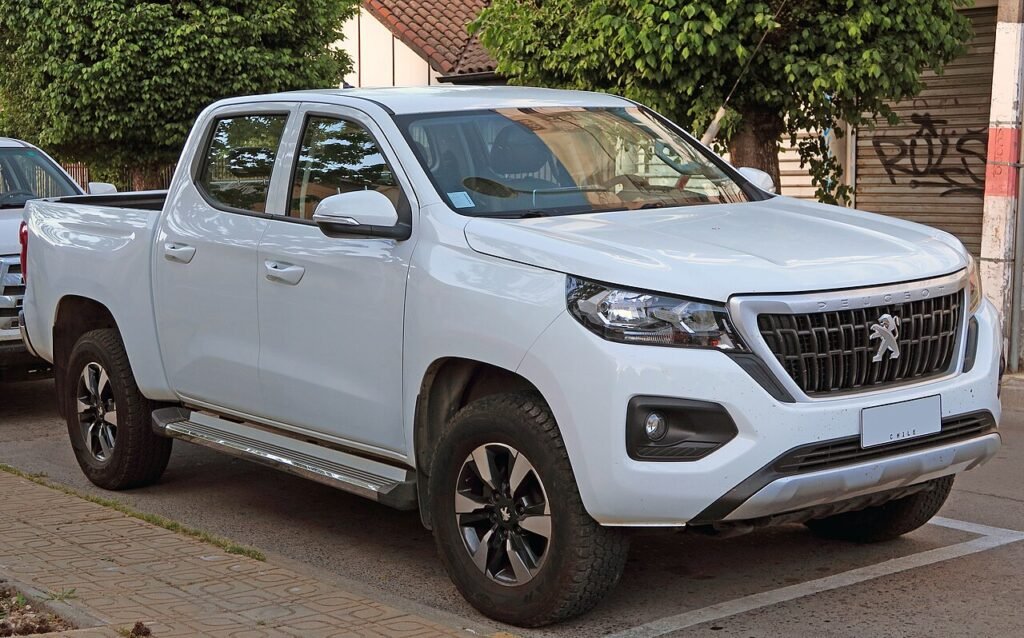
Long before today’s Toyota Harriers, Mazda CX-5s and Subaru Foresters became common sights, cars such as the Peugeot 404, 504 and 505 had already built a formidable reputation in Kenya.
For an older generation of Kenyan motorists, particularly those who remember the Peugeot 504, the badge represents rugged suspension, comfortable long-distance travel and cars capable of surviving roads that were considerably less forgiving than today’s highways.
Modern Peugeot is very different.
Walk into a current Peugeot or sit inside a newer 208, 3008 or 508 and the emphasis has shifted dramatically toward European styling, technology, turbocharged engines, digital displays and Peugeot’s unusual i-Cockpit driving position.
That transformation makes Peugeot one of the more interesting alternatives in Kenya’s increasingly diverse used-car market.
It also raises an important question:
Should you actually buy one?
This guide looks beyond the styling to examine Peugeot cars in Kenya properly: the history, popular models, current prices, engine choices, reliability concerns, spare parts, maintenance, resale value and the checks you should make before buying a used Peugeot.
Peugeot’s History in Kenya: Why the Brand Still Feels Familiar
Peugeot has a deeper connection to Kenya than many younger buyers realise.
Peugeot vehicles were assembled locally in Kenya from the 1970s. When the PSA Group announced its return to Kenyan assembly in 2017, the company itself referred to an earlier local-assembly period running from 1974 to 2002. The 2017 programme began with the 508 and was followed by the 3008, assembled through Kenya Vehicle Manufacturers in Thika.
The Peugeot 504 became particularly associated with the brand’s African reputation.
Its combination of long-travel suspension, rear-wheel drive, relatively simple engineering and a comfortable cabin suited conditions in markets such as Kenya unusually well.
That reputation still affects how some Kenyans view Peugeot today.
But there is an important distinction to make:
A modern Peugeot 3008 is not simply a modern version of a Peugeot 504.
The philosophy has changed.
Where an old 504 was mechanically straightforward and could tolerate relatively basic maintenance, today’s Peugeot vehicles rely much more heavily on:
Turbocharging
Engine management systems
Electronic sensors
Sophisticated automatic transmissions
Digital infotainment
Emissions-control equipment
Precise oil specifications
Model-specific diagnostics
The payoff is considerably better performance, refinement, efficiency, safety and technology.
The trade-off is that maintenance discipline matters far more.
Peugeot in Kenya Today
Peugeot still has an official presence in Kenya.
Urysia Limited is listed by Peugeot Kenya as its local retailer and workshop, based at Peugeot Centre on Bunyala Road in Nairobi. Peugeot Kenya’s current website prominently lists the 3008, 508 and Landtrek in its range.
You will, however, see many more Peugeot models on Kenyan roads and in car yards.
Models such as the:
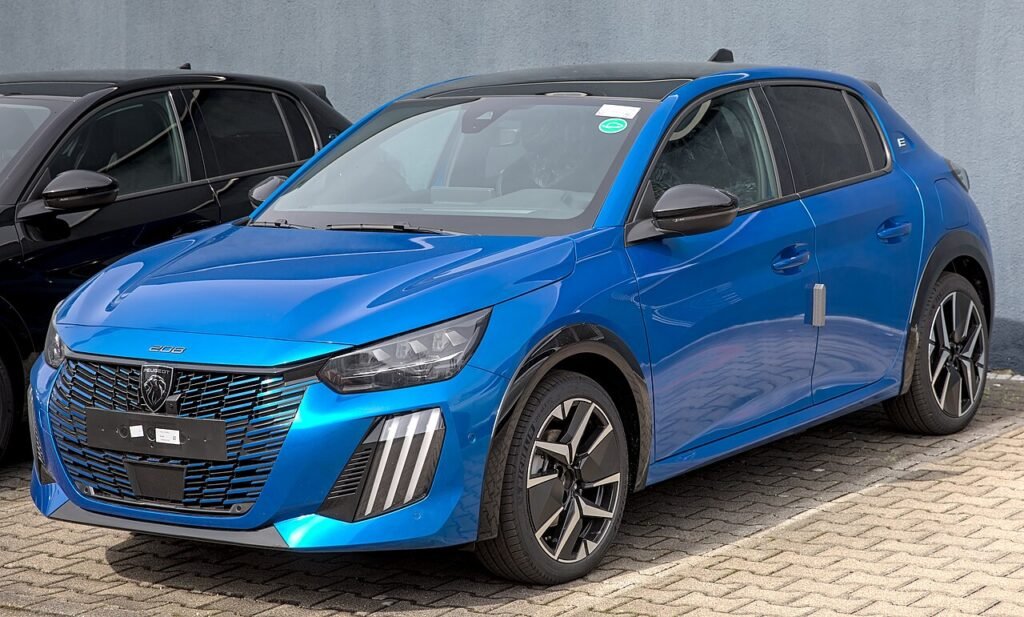
Peugeot 208
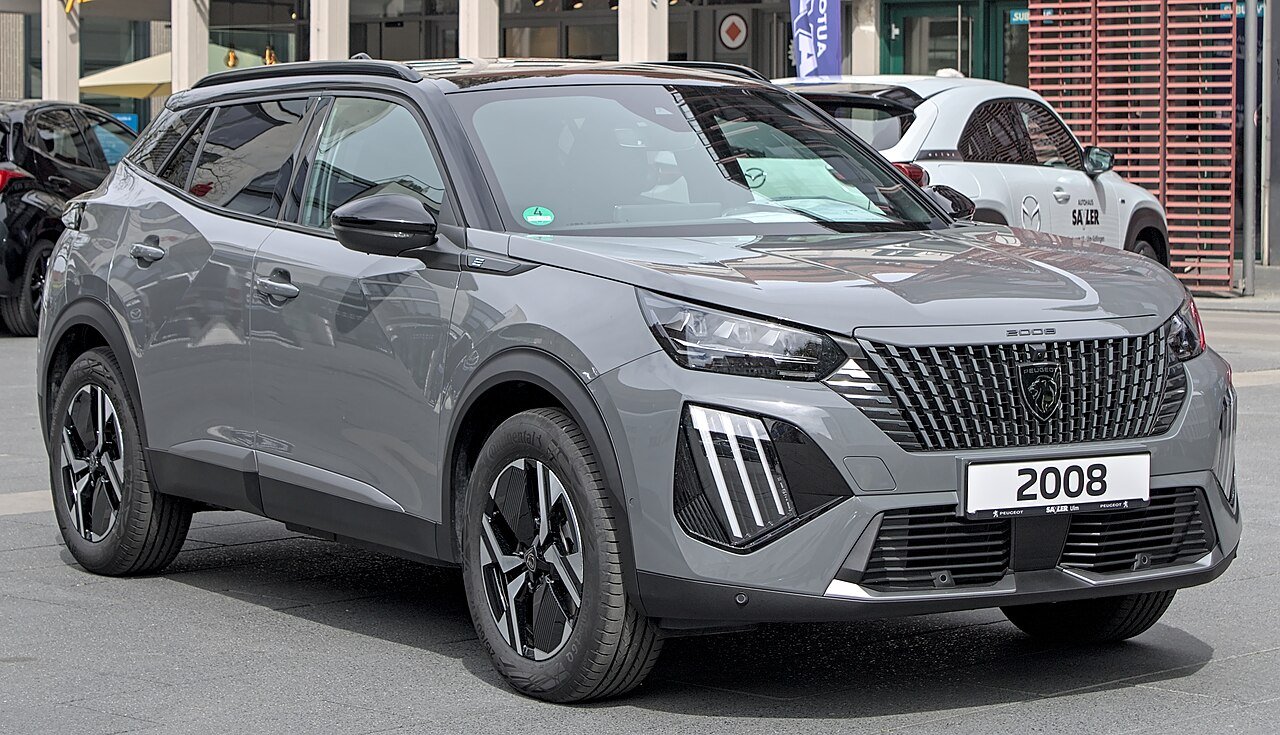
Peugeot 2008
Peugeot 308
Peugeot 5008
are commonly encountered through the used and import market.
This distinction matters when buying because official local availability, import availability and parts availability are not necessarily the same thing.
Most Popular Peugeot Cars in Kenya
Before looking at each model in detail, here is the easiest way to understand the range.
Model
Vehicle Type
Typical Engine Choices
Best Suited To
Peugeot 208
Small hatchback
1.2L petrol
Urban commuters
Peugeot 2008
Compact crossover
1.2L turbo petrol
Small families / city use
Peugeot 308
Hatchback / wagon
1.2L petrol, 1.5/1.6L diesel
Golf/Mazda3 buyers
Peugeot 3008
Compact SUV
Petrol / diesel
Families and executives
Peugeot 5008
7-seat SUV
Petrol / diesel
Larger families
Peugeot 508
Fastback / sedan
Petrol / diesel
Executive buyers
Peugeot Landtrek
Pickup
Diesel
Business / agricultural use
Engine specifications vary significantly by year, country of origin and trim, so never buy solely on the model name.
1. Peugeot 208 – Best Peugeot for Urban Driving
The Peugeot 208 is one of the smallest modern Peugeot cars and an interesting alternative to cars such as the Volkswagen Polo, Mazda Demio/Mazda2 and Toyota Yaris.
Its biggest advantage in Kenya is size.
For someone spending most of the week navigating Nairobi traffic, parking in tight spaces and commuting alone or with one passenger, the 208 makes a lot of sense.
The model is also where many buyers first encounter Peugeot’s modern design philosophy.
Depending on the generation, you get Peugeot’s distinctive i-Cockpit arrangement, where the driver looks at the instrument cluster above a relatively small steering wheel.
Why Buy a Peugeot 208?
The 208 offers:
Compact dimensions
Good urban manoeuvrability
Attractive interior design
Small turbocharged engine options
Good performance for its engine capacity
Comfortable seats
Distinctive styling
Its 1.2-litre PureTech petrol engine can feel surprisingly lively because turbocharged versions produce considerably more torque than their engine capacity might suggest.
Peugeot 208 Weaknesses
The 208 is still a small hatchback.
Rear passenger space and luggage capacity cannot compete with a larger 308, 2008 or 3008.
And if you are considering a used 1.2 PureTech-powered example, maintenance history needs careful investigation—a subject we will address in detail later.
Peugeot 208 Price in Kenya
Current 2026 listings illustrate how much specification and condition affect prices. Examples of 2019 cars have been advertised from roughly KSh 1.45 million, while some 2020 examples approach or exceed KSh 2 million. These are asking prices rather than guaranteed transaction values.
Best For
Young professionals, first-time European-car buyers and urban commuters.
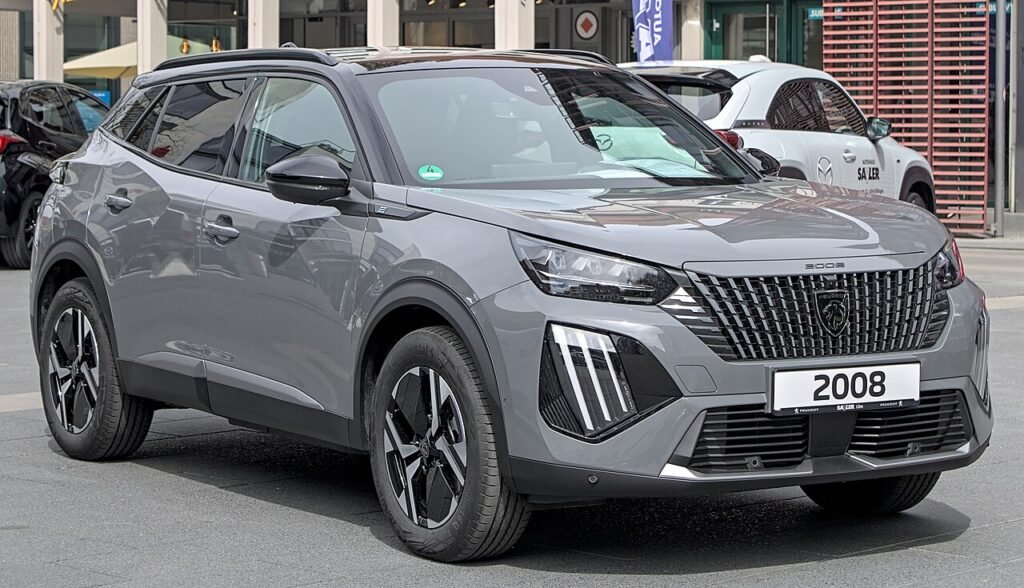
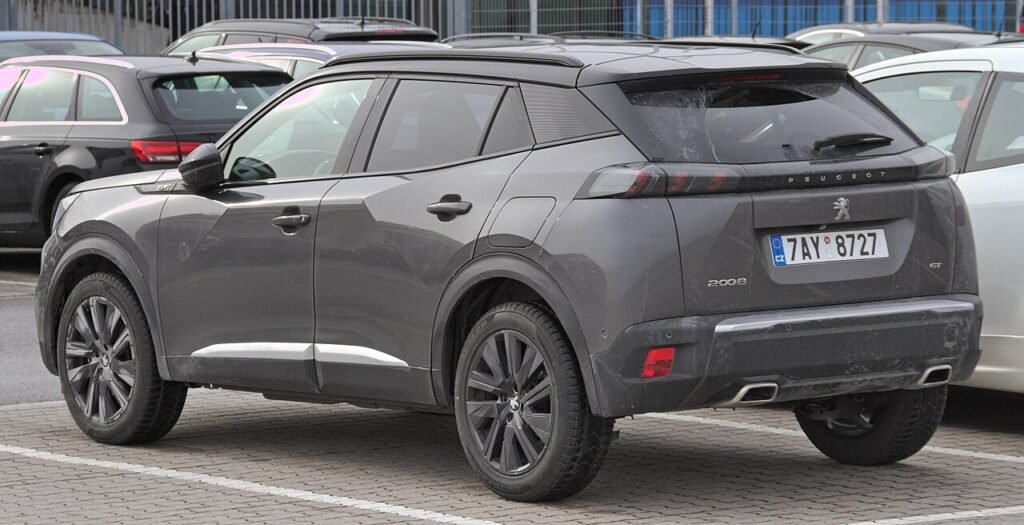
2. Peugeot 2008 – Best Small Peugeot Crossover
The Peugeot 2008 takes much of what works about Peugeot’s smaller hatchbacks and puts it into a crossover body.
For many Kenyan motorists, this is probably a more relevant package than the 208.
Why?
Because it provides:
A higher seating position
More practical cabin space
Better crossover proportions
Easier family use
Compact exterior dimensions
without moving into a full-size SUV.
For someone considering vehicles such as a Mazda CX-3, Nissan Juke, Volkswagen T-Cross or similar compact crossover, the Peugeot 2008 deserves consideration.
Why the Peugeot 2008 Makes Sense in Kenya
It works particularly well for someone who wants an urban car but does not want a conventional hatchback.
It is easier to manoeuvre than many larger SUVs while offering the driving position and visual presence crossover buyers prefer.
Peugeot 2008 Price in Kenya
As of September 2026, one Kenyan market tracker put the median asking price for a Peugeot 2008 at approximately KSh 2.15 million, with most vehicles in its dataset falling around KSh 1.93–2.18 million. Broader marketplace listings vary more significantly according to year and specification.
Best For
Small families and urban drivers who want something more practical than a hatchback without buying a large SUV.
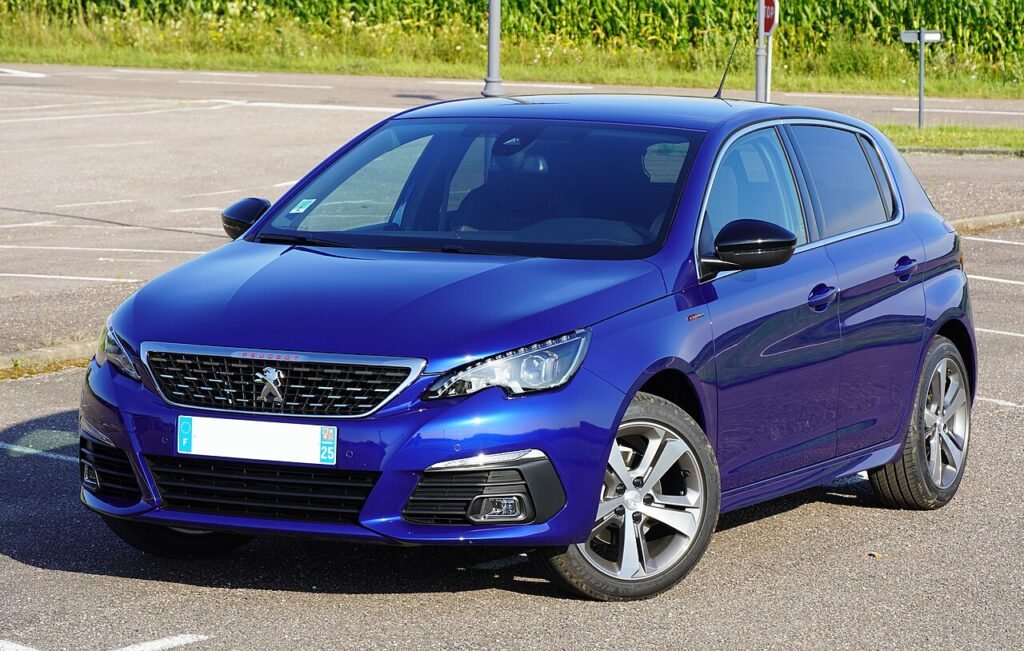
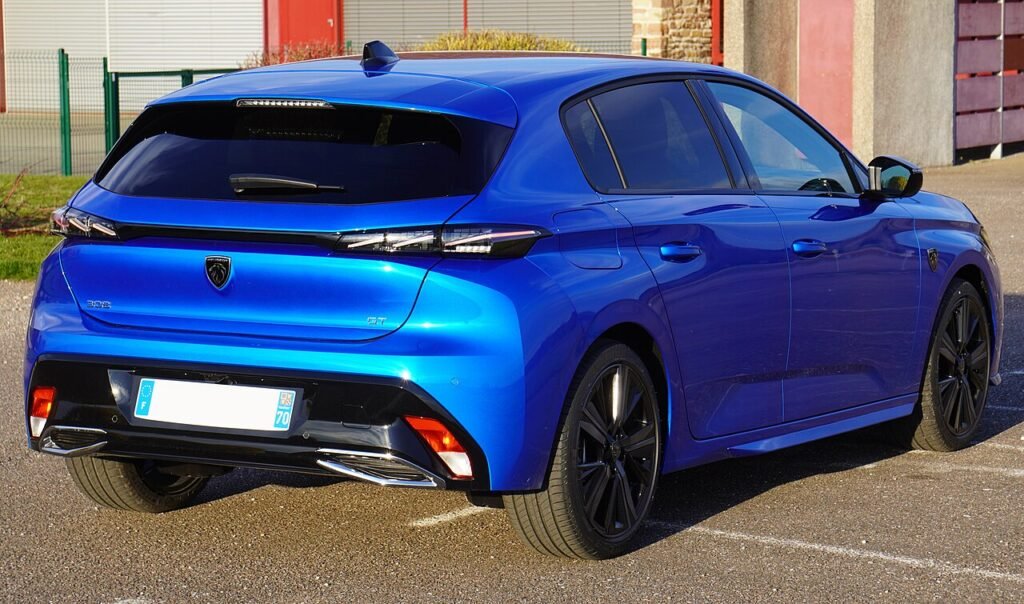
3. Peugeot 308 – Best Alternative to a Volkswagen Golf or Mazda3
The Peugeot 308 is arguably one of the most underrated Peugeot models in Kenya.
It sits in approximately the same segment as:
Volkswagen Golf
Mazda3/Axela
Toyota Auris
Ford Focus
and is available as both a hatchback and, in some markets, the particularly practical 308 SW estate.
The 308’s strength is balance.
It is large enough to work as a proper family car but compact enough to remain comfortable in city traffic.
Petrol or Diesel?
Depending on generation and country of origin, used examples may appear with engines including the 1.2 PureTech petrol and different BlueHDi diesel units.
The right choice depends strongly on how you drive.
Petrol generally makes more sense for motorists who spend most of their time making shorter urban journeys.
Diesel becomes more attractive to high-mileage motorists who frequently travel longer distances.
Peugeot 308 Price in Kenya
Current 2019 Peugeot 308 listings in Kenya are frequently clustered around approximately KSh 1.7 million to KSh 2.2 million, although trim, mileage and engine choice create substantial variation.
Best For
Someone who wants a refined European hatchback without buying the obvious Volkswagen Golf.
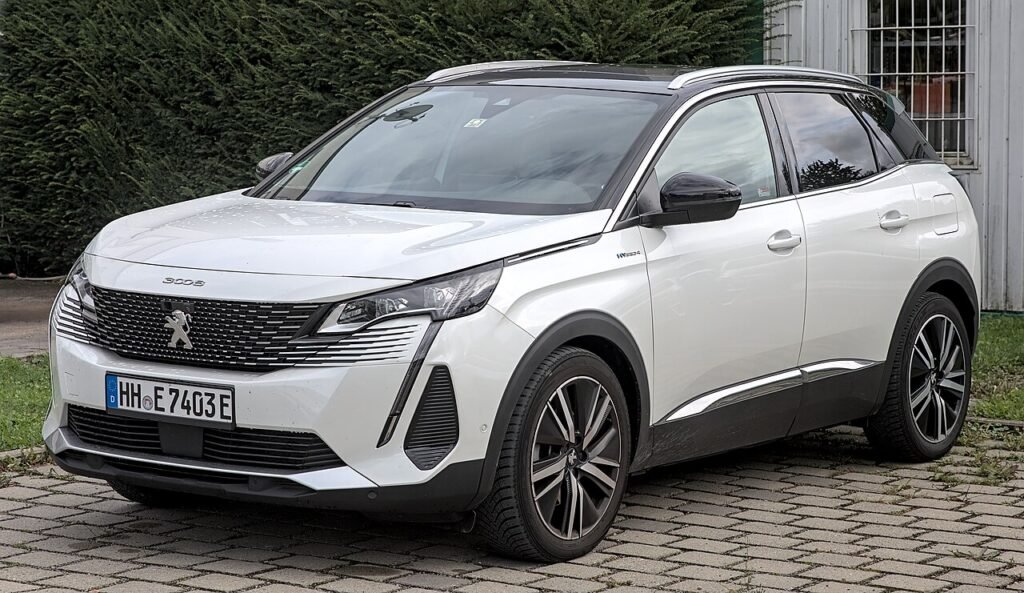
4. Peugeot 3008 – The Peugeot Most Kenyan SUV Buyers Should Consider
If there is one modern Peugeot that changed perceptions of the brand, it is arguably the Peugeot 3008.
The second-generation 3008 in particular moved Peugeot decisively away from conservative styling.
Its interior is one of its biggest attractions.
Peugeot’s i-Cockpit combines a compact steering wheel, an elevated digital instrument display and central touchscreen. The 3008 also popularised the aircraft-style or piano-key controls that make the cabin look very different from most Japanese SUVs. Peugeot Kenya highlights an 8-inch touchscreen and 12.3-inch configurable driver’s display on the locally marketed generation.
Why the 3008 Works in Kenya
It competes in one of the most important segments in our market: the compact family SUV.
Buyers looking at vehicles such as the:
Mazda CX-5
Volkswagen Tiguan
Nissan Qashqai
Subaru Forester
Toyota Harrier
may find the 3008 particularly attractive if interior design and comfort matter.
It feels less conventional than most of those cars.
Peugeot 3008 Price in Kenya
Current 2026 marketplace listings demonstrate the range.
2018 examples can appear in the high-KSh 2 million to low-KSh 3 million area, while many 2019–2021 vehicles are advertised from roughly KSh 3.2 million to KSh 3.6 million or more, depending on engine, trim, mileage and condition.
Best For
Families and professionals who want a stylish SUV without following the usual Japanese-SUV formula.
5. Peugeot 5008 – Best Peugeot for a Larger Family
The Peugeot 5008 takes the design philosophy of the 3008 and stretches it into a larger family vehicle.
Its biggest selling point is simple:
seven seats.
This immediately makes it more relevant to buyers comparing:
Nissan X-Trail
Mitsubishi Outlander
Volkswagen Tiguan Allspace
Skoda Kodiaq
Other three-row crossovers
Unlike traditional ladder-frame SUVs, however, the 5008 is primarily designed as a road-going family crossover.
This gives it a more car-like driving experience and generally more efficient powertrain options than large off-road-focused SUVs.
Interior Practicality
The 5008’s real strength is flexibility.
Depending on the generation, the rear seating layout can be configured to prioritise passengers or luggage.
With the third row folded, cargo space becomes far more useful.
With all seats in use, however, as with most crossovers of this size, luggage room becomes more limited.
Peugeot 5008 Price in Kenya
Current listings show considerable variation. Examples include 2018 vehicles around KSh 2.95 million, while imported 2019 examples can approach KSh 4 million depending on specification and condition.
Best For
Families that need seven seats but do not want a large body-on-frame SUV.
6. Peugeot 508 – The Executive Choice
The Peugeot 508 is the model for the buyer who has looked at all the SUVs and decided they still prefer a low, elegant executive car.
Modern 508s have dramatic fastback styling, frameless-looking proportions and some of Peugeot’s most sophisticated interiors.
It competes more naturally with vehicles such as:
Volkswagen Passat/Arteon
Mazda6
Audi A4/A5 Sportback
BMW 3 Series
Mercedes-Benz C-Class
depending on specification and what the buyer values.
The 508 also has an important connection to Peugeot’s modern Kenyan story: it was the first model named for the company’s return to local assembly in 2017, followed by the 3008.
Peugeot 508 Price in Kenya
2019 examples currently advertised in Kenya are around KSh 3.6 million to KSh 3.9 million in several listings, although higher-specification vehicles may cost more.
Best For
The buyer who wants executive-car refinement but does not want another German premium sedan.
7. Peugeot Landtrek – The Working Peugeot
The Landtrek is very different from the passenger cars and SUVs discussed above.
It is a proper pickup designed for commercial, agricultural and mixed work/lifestyle use.
Peugeot Kenya currently offers the Landtrek and describes both rear-wheel-drive and 4×4 configurations, with the 4×4 using a transfer case and differential lock for additional traction.
That puts it into direct competition with some very established names in Kenya:
Toyota Hilux
Isuzu D-Max
Ford Ranger
Mitsubishi Triton
Nissan Navara
The challenge for the Landtrek is not necessarily capability.
It is competing against pickups with enormous existing fleets, parts ecosystems and resale familiarity in Kenya.
Best For
Businesses, farmers, fleet buyers and drivers who want a pickup that is different from the usual choices.
Peugeot Prices in Kenya: Quick 2026 Guide
Used-car pricing changes continuously, but current marketplace data provides a useful snapshot.
Model
Example Kenyan Asking Prices*
Peugeot 208
Approx. KSh 1.4M–2.1M
Peugeot 2008
Approx. KSh 1.9M–3.0M+
Peugeot 308
Approx. KSh 1.7M–2.2M
Peugeot 3008
Approx. KSh 2.6M–3.6M+
Peugeot 5008
Approx. KSh 2.9M–4.0M
Peugeot 508
Approx. KSh 3.6M–3.9M+
*Broad 2026 asking-price indications based on current listings, not guaranteed selling prices. Year, mileage, trim, engine, import status and condition can move the price significantly.
This table should be updated periodically if the article remains online for several years.
The Question Everyone Asks: Are Peugeots Reliable in Kenya?
The fairest answer is:
A well-maintained Peugeot can be a very good car, but buying the wrong Peugeot with poor maintenance history can become expensive quickly.
This is not a brand where you should simply find the cheapest example available and hope for the best.
Condition and history matter enormously.
Modern Peugeot engines and electronics are designed around specified maintenance procedures. Correct oil specification, servicing intervals and proper diagnostics are particularly important.
That brings us to the engine that deserves special attention.
The 1.2 PureTech Engine: What Kenyan Buyers Need to Know
If you are shopping for a Peugeot 208, 2008, 308 or certain other Peugeot models, there is a good chance you will encounter a 1.2 PureTech petrol engine.
Do not automatically reject it.
But do not buy one without understanding its maintenance history either.
Previous generations of Stellantis’ 1.0- and 1.2-litre PureTech engines have documented problems involving premature timing-belt degradation and, on some versions, excessive oil consumption.
This is not merely internet gossip.
Stellantis itself introduced extended coverage for certain previous-generation PureTech engines and specifically refers to oil-pressure issues associated with premature timing-belt degradation as well as excessive oil consumption.
Why Is the Timing Belt Important?
Some of these engines use a timing belt that operates in engine oil—the so-called wet belt.
Using incorrect oil, neglecting oil changes or allowing belt degradation to progress can create much larger problems.
Therefore, before buying a used PureTech Peugeot:
Confirm the exact engine
Check the service history
Establish the timing-belt replacement/inspection history
Confirm that the correct oil specification has been used
Inspect the belt where applicable
Scan the car for stored faults
Investigate abnormal oil consumption
Do not rely solely on mileage
Peugeot advises owners to follow the replacement interval specified for their particular engine in the vehicle’s service documentation.
This is one of the strongest reasons to favour a Peugeot with documented maintenance history over a cheaper vehicle with no records.
What About Peugeot Diesel Engines?
A diesel Peugeot can be an excellent option for someone covering substantial mileage.
Peugeot’s BlueHDi engines typically combine strong low-end torque with good long-distance economy.
But modern diesels also introduce emissions-control systems such as:
Diesel particulate filters (DPF)
SCR
AdBlue systems
Peugeot documentation confirms that BlueHDi models use SCR and diesel particulate filtration. Its handbook also notes that when a DPF begins clogging, regeneration may require sustained driving above approximately 60 km/h and an elevated engine speed for a period of time.
That gives Kenyan buyers a useful rule.
Diesel makes more sense if:
You regularly drive highways
Your journeys are reasonably long
You cover high annual mileage
You value torque and economy
Petrol may make more sense if:
Most journeys are short
Your car spends its life in stop-start city traffic
Your annual mileage is relatively low
A BlueHDi diesel that spends its entire life making extremely short journeys may never suit its emissions system as well as a vehicle regularly driven at operating temperature.
Peugeot Maintenance in Kenya
This is the area where ownership expectations need to be realistic.
A Peugeot does not necessarily require extraordinary maintenance.
It requires correct maintenance.
Those are different things.
Engine Oil
Use the manufacturer-approved specification for the exact engine.
Do not simply accept whatever generic oil a garage normally puts into similar-capacity engines.
This is particularly important with PureTech engines.
Diagnostics
A generic OBD scanner can identify many basic faults, but modern Peugeot systems may require more capable diagnostic equipment for manufacturer-specific modules.
A workshop familiar with Peugeot/Stellantis vehicles is therefore preferable when diagnosing:
Engine faults
Transmission issues
ABS
Airbag systems
Infotainment
Parking systems
Electronic modules
Spare Parts
Routine servicing parts are easier to obtain than rare trim pieces, electronic modules or model-specific body components.
Peugeot Kenya itself operates parts and workshop support through its Nairobi dealer operation.
Independent European-car parts suppliers provide another route, but availability varies significantly by model.
Before buying a relatively rare specification, it is worth checking the availability and price of:
Suspension components
Engine mounts
Sensors
Transmission parts
Cooling-system components
Body panels
Headlights
Electronic modules
The key question is not simply:
“Can I find Peugeot parts?”
It is:
“Can I find parts for this exact Peugeot, engine and model year?”
Is a Peugeot More Expensive to Maintain Than a Toyota?
Generally, you should expect a Peugeot to require a more deliberate approach than one of Kenya’s ubiquitous Japanese cars.
The biggest Toyota advantage in Kenya is ecosystem.
There are:
More mechanics familiar with them
More used parts
More aftermarket parts
More breakers
More vehicles to borrow diagnostic knowledge from
Peugeot’s smaller local population means there may be fewer options when something unusual goes wrong.
That does not mean Peugeot maintenance is automatically expensive.
A well-maintained car receiving routine servicing can be relatively straightforward.
The expensive Peugeot is often the neglected Peugeot bought cheaply after the previous owner postponed maintenance.
Peugeot i-Cockpit: Brilliant or Annoying?
This is one feature you should physically test before buying.
The i-Cockpit has become one of Peugeot’s defining design features since its introduction in 2012. Its core idea combines a small steering wheel, elevated instrument display and central touchscreen.
Some drivers love it.
The steering feels quick, and the high-mounted instrument display can feel closer to a head-up display.
Other drivers struggle to find a seating position where the wheel does not obscure part of the instruments.
This depends partly on:
Your height
Driving position
Seat adjustment
Steering-wheel position
Therefore:
Do not buy a modern Peugeot without sitting in the driver’s seat and adjusting it properly first.
An interior can look spectacular in photos and still not suit your body proportions.
Advantages of Owning a Peugeot in Kenya
1. Interior Design
This is arguably Peugeot’s strongest advantage.
The interiors of cars such as the 3008 and 508 can feel much more dramatic than similarly priced mainstream alternatives.
2. Ride Comfort
French manufacturers have a long history of prioritising ride quality, and many Peugeots combine comfortable suspension with controlled handling.
3. Efficient Engines
Small turbocharged petrol engines can provide strong performance relative to their capacity, while BlueHDi diesels can be very economical on longer journeys.
4. Less Common
For some buyers, this is a feature.
A Peugeot provides an alternative to parking lots filled with the same familiar models.
5. Value on the Used Market
The weaker resale value that hurts an original owner can benefit the second-hand buyer.
You can sometimes purchase a comparatively well-equipped Peugeot for less than an equivalent mainstream Japanese or German vehicle.
Disadvantages of Owning a Peugeot in Kenya
1. Smaller Specialist Network
Finding a mechanic is easy.
Finding the right Peugeot mechanic requires more effort.
2. Parts Availability Varies
Normal service parts are one thing.
An unusual electronic component or body panel may be another.
3. Resale Market
A Toyota may attract buyers within hours if correctly priced.
A Peugeot can take longer simply because fewer Kenyan motorists are actively searching for one.
4. Maintenance History Matters More
Buying a poorly maintained turbocharged European car because the purchase price looks attractive is rarely a good strategy.
5. Some PureTech Engines Require Extra Due Diligence
This deserves to be treated as a known buying consideration rather than ignored.
Peugeot vs Toyota, Mazda and Volkswagen in Kenya
A simple comparison helps put Peugeot ownership into perspective.
Category
Peugeot
Toyota
Mazda
Volkswagen
Interior Design
Excellent
Practical
Very Good
Very Good
Uniqueness
Excellent
Low
Moderate
Moderate
Parts Availability
Moderate
Excellent
Very Good
Good
Specialist Knowledge
Moderate
Excellent
Very Good
Good
Resale
Moderate/Low
Excellent
Very Good
Good
Ride Comfort
Excellent
Good
Very Good
Very Good
Technology
Very Good
Good
Very Good
Very Good
Maintenance Sensitivity
Higher
Lower
Moderate
Higher
This does not make one brand universally better.
It identifies the type of owner each brand suits.
Buying a Peugeot in Kenya: Your Three Main Options
1. Buy Through the Official Dealer
This is the straightforward option for officially offered vehicles.
Peugeot Kenya currently lists the 3008, 508 and Landtrek on its main range page, with Urysia as the local Peugeot retailer/workshop.
Advantages include:
Known vehicle history
Dealer support
Warranty where applicable
Genuine parts access
Manufacturer-aligned servicing
The main disadvantage is purchase price compared with an older used import.
2. Import a Used Peugeot
Importing can give you access to a much larger selection of:
208s
2008s
308s
3008s
5008s
508s
But do not assume importing will automatically save a fixed percentage.
Exchange rates, purchase price, shipping, taxes, valuation and clearing costs all affect the final landed cost.
Kenya requires imported used vehicles to be less than eight years old from first registration, right-hand drive under the normal rules, and inspected for roadworthiness by a KEBS-appointed inspection agent before export.
For a 2026 import, verify the applicable first-registration cutoff before purchasing the vehicle rather than trusting an overseas dealer’s use of terms such as “2019 model.”
3. Buy a Locally Used Peugeot
This can provide excellent value.
It can also be the riskiest option if the vehicle has no meaningful service history.
Before paying, determine:
Who maintained it?
Which oil was used?
Were services completed on time?
Has the timing belt been inspected/replaced where applicable?
Has the vehicle overheated?
Are there stored fault codes?
Has the transmission been serviced or repaired?
Has it been involved in a serious accident?
The cheaper car is not necessarily the cheaper car to own.
Peugeot Pre-Purchase Inspection Checklist
If you are buying a used Peugeot in Kenya, this is the section worth saving.
1. Start With the VIN
Use the VIN to establish the exact:
Model
Engine
Trim
Production specification
Do not rely entirely on the seller’s advert.
2. Demand Service History
Invoices are better than verbal assurances.
Look for evidence of:
Oil changes
Correct oil specification
Filters
Spark plugs
Timing-system maintenance
Cooling-system work
Transmission-related work
3. Perform a Cold Start
Ask the seller not to warm the car before you arrive.
On startup, listen for:
Abnormal rattling
Uneven idle
Excessive smoke
Persistent warning lights
A car that is already warm when you arrive can hide some problems.
4. Inspect the PureTech Timing System Where Applicable
If it is a relevant 1.2 PureTech generation, establish its belt condition and maintenance history.
Do not treat this as an optional check.
5. Scan Every Module
A proper diagnostic scan should check more than the engine ECU.
Where possible inspect:
Engine
Transmission
ABS
Airbag
Body control
Parking systems
Infotainment
Driver-assistance systems
A dashboard with no warning lights does not guarantee there are no stored faults.
6. Check the Automatic Transmission
During a long test drive check:
Engagement from Park to Drive
Engagement into Reverse
Low-speed shifts
Hard acceleration
Kickdown
Hot operation
There should be no severe jerking, slipping or unexplained warnings.
7. Test Every Electrical Feature
Modern Peugeots can have a long equipment list.
Test:
Touchscreen
Bluetooth
Cameras
Parking sensors
Air conditioning
Electric seats
Windows
Mirrors
Lights
Cruise control
Steering controls
Digital instrument panel
Never accept “it’s probably just a fuse” without diagnosis.
8. Inspect the Cooling System
Check for:
Coolant leaks
Poor-quality coolant
Damaged hoses
Fan operation
Signs of overheating
Oil/coolant contamination
9. Inspect the Suspension
Listen for knocking over rough roads and inspect:
Bushings
Ball joints
Shock absorbers
Mounts
Wheel bearings
10. Check the Vehicle’s Accident History
Look for:
Uneven panel gaps
Overspray
Different paint shades
Chassis repairs
Poor welding
Replaced airbags
Warning-light manipulation
Which Peugeot Should You Buy in Kenya?
If you want the simplest answer:
Buyer
Recommended Peugeot
Urban commuter
Peugeot 208
Small crossover buyer
Peugeot 2008
Hatchback buyer
Peugeot 308
Family SUV buyer
Peugeot 3008
Seven-seat family
Peugeot 5008
Executive
Peugeot 508
Business / agriculture
Peugeot Landtrek
Best Peugeot for Nairobi
Peugeot 208 or 2008
Both are compact enough for urban use.
Best Peugeot SUV in Kenya
Peugeot 3008
It offers perhaps the best combination of design, comfort, size and everyday usability.
Best Peugeot for a Large Family
Peugeot 5008
Its seven-seat configuration gives it an obvious advantage.
Best Peugeot for Long-Distance Driving
Depending on your passenger requirements, a 308 diesel, 3008 BlueHDi or 508 can make a strong long-distance car.
Best Peugeot for Business
Landtrek, particularly where pickup capability is actually required.
Frequently Asked Questions About Peugeot Cars in Kenya
Are Peugeot cars reliable in Kenya?
They can be.
The most important factor is maintenance history. A properly maintained Peugeot with the correct oils, parts and servicing is a very different proposition from a neglected vehicle with no records.
Are Peugeot spare parts available in Kenya?
Yes, although availability depends on the exact model.
Peugeot has an official local workshop and parts operation in Nairobi, and independent European-car specialists provide additional options. Rare body, trim or electronic components may take longer to source.
Is the Peugeot 3008 reliable?
A good example can be an excellent family SUV, but reliability depends on engine choice and maintenance history.
Have the exact engine and vehicle inspected rather than relying on the reputation of the model name alone.
Is the Peugeot 1.2 PureTech engine bad?
It would be too simplistic to describe every PureTech engine as bad.
However, previous generations have documented issues involving timing-belt degradation and excessive oil consumption, and Stellantis introduced extended support for qualifying affected engines in Europe.
A used PureTech should therefore be bought with careful attention to its exact engine generation and service history.
Peugeot petrol or diesel: which is better in Kenya?
For predominantly short urban trips, petrol is generally easier to recommend.
For frequent long-distance driving and higher annual mileage, diesel can make more sense.
Does Peugeot have an official dealer in Kenya?
Yes. Peugeot Kenya lists Urysia Limited as its retailer and workshop in Nairobi.
Are Peugeots expensive to maintain?
Routine servicing need not be excessive, but Peugeot ownership can become expensive if maintenance is neglected or if a specialist component fails.
Compared with a common Toyota, there are fewer parts suppliers and technicians familiar with every Peugeot model.
Do Peugeots have poor resale value?
They generally have a smaller resale market in Kenya than dominant brands such as Toyota.
That hurts sellers but can benefit buyers looking for a well-equipped used car at a competitive price.
Is the Peugeot 3008 better than the Mazda CX-5?
The 3008 generally has the more distinctive interior and design.
The CX-5 has the advantage of a larger established ownership, parts and resale ecosystem in Kenya.
Which is better depends on whether you value ownership simplicity or individuality and interior design more strongly.
Should I buy a locally used or imported Peugeot?
Neither is automatically better.
A locally used Peugeot with excellent maintenance records can be preferable to a fresh import with uncertain history.
Likewise, a verified low-mileage import can be a better purchase than a neglected locally used car.
Buy on condition, specification and history.
Final Verdict: Should You Buy a Peugeot in Kenya?
A Peugeot is not the obvious choice in Kenya.
That is partly why it is interesting.
If your only priorities are the easiest resale, maximum availability of roadside mechanics and the largest possible pool of cheap used parts, a mainstream Toyota will probably make more sense.
But that is not what Peugeot is trying to offer.
A good modern Peugeot combines:
Distinctive styling
Excellent interior design
Comfortable road manners
Efficient engines
Strong technology
A driving experience that feels different from the mainstream
The trade-off is that you need to understand what you are buying.
Know the exact engine.
Understand its maintenance requirements.
Use the correct fluids.
Do not ignore warning lights.
Do not let an inexperienced mechanic experiment with it.
And above all, do not buy a poorly maintained example simply because depreciation has made the purchase price attractive.
For a Kenyan buyer prepared to maintain the car properly, the 208 and 2008 make compelling urban cars, the 308 is a strong alternative to the usual hatchbacks, the 3008 is arguably the sweet spot of the range, the 5008 works well for larger families, and the 508 offers a genuinely different executive-car experience.
Peugeot may no longer build the simple 504 that helped establish its reputation in Kenya.
But the modern cars still offer something the old Peugeot did extremely well:
Welcome to Bacchus Motors. We are one of the leading car dealerships in Kenya.
We offer a wide range of cars from different manufacturers like BMW, Audi, Toyota and many more.
Come visit us for the most affordable prices!